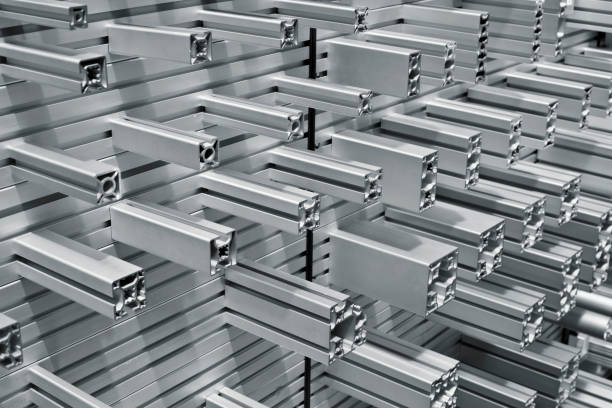
Modern production floors need framing that can change without turning every update into a fabrication project. MiniTec Aluminum Framing offers a different approach from structural steel by using modular profiles, mechanical fasteners, and built-in mounting slots. That difference affects weight, installation time, maintenance, layout changes, and how easily a frame can grow with the equipment around it.
Modular Connections Make Changes Much Easier
Steel frames usually depend on welded joints, so changing one section may involve cutting, grinding, welding, and refinishing. MiniTec extruded aluminum framing uses bolted connections that let technicians remove or reposition individual rails without tearing apart the rest of the structure. Adjustments can often happen with basic hand tools rather than welding equipment.
Production layouts benefit from that flexibility when machines, guarding, or workstations need to move. A T slot extrusion gives brackets and accessories multiple mounting positions along the same rail, making small changes much less disruptive. Future additions can also attach to the existing frame instead of requiring a separate welded support.
Lower Weight Changes How Frames Are Handled
Aluminum weighs much less than steel for a similar volume of material. Lighter framing makes individual sections easier to carry, position, and assemble inside busy facilities where cranes or forklifts may have limited access. Crews can often build larger sections nearby and move them into place with less effort.
Mobile equipment gains another advantage from reduced mass. Carts, test stations, and portable guards built from aluminum framing material require less force to push and steer than comparable heavy steel structures. Proper profile selection still matters because lighter weight should never replace the strength calculations needed for the application.
T-Slots Give Designers Built-In Mounting Points
Welded steel normally needs drilled holes, welded tabs, or added brackets wherever another component will attach. An extruded aluminum T slot profile already provides channels for nuts and fasteners along its length. Sensors, panels, handles, shelves, cable clips, and other accessories can mount directly to those slots.
Builders also gain more freedom during setup. A sensor bracket can slide a few inches, a shelf can move higher, or a guard panel can shift without creating new holes in the main frame. T slot aluminum extrusion makes those changes part of the system rather than a repair or fabrication job.
Cleaner Assembly Avoids Several Fabrication Steps
Traditional steel construction often requires cutting, welding, grinding, and painting before the structure is ready for use. Aluminum framing relies more heavily on measured cuts and mechanical connections, which can remove several messy steps from the process. Shops also avoid weld spatter, grinding dust, and paint touchups around the finished assembly.
Precut parts can make installation even smoother. An aluminum framing kit may arrive with profiles cut to length, matching connectors, fasteners, and drawings that show where each piece belongs. Organized components help installers spend more time building and less time correcting fabrication mistakes.
Corrosion Resistance Reduces Surface Maintenance
Bare steel can rust when its protective coating becomes scratched or damaged. Aluminum naturally forms a thin oxide layer that helps protect the surface, making it useful for many indoor production, laboratory, packaging, and light industrial settings. Painted finishes are not required simply to prevent ordinary surface rust.
Harsh environments still need proper material review. Salt, strong chemicals, washdown processes, or contact between dissimilar metals can affect aluminum differently from ordinary factory conditions. MiniTec Aluminum Framing works best when designers match the profile, hardware, and surface requirements to the actual operating area.
A Modular Frame Can Be Reused Instead of Scrapped
Permanent steel structures often lose much of their usefulness after a production line changes. Cutting apart welded members may leave sections too short, damaged, or awkwardly shaped for another project. Modular aluminum profiles can often be removed intact and stored for later use.
Reconfiguration can lower material waste across repeated equipment changes. Technicians may reuse rails, brackets, hinges, handles, and other parts when building a new workstation or enclosure. Careful inspection remains important because bent profiles, damaged slots, or worn connectors should not return to service without review.
Aluminum and Steel Serve Different Structural Jobs
Steel still makes sense where extreme loads, high impact, very long unsupported spans, or severe heat demand a heavier structural system. Building supports, large machine foundations, vehicle barriers, and other highly loaded structures may exceed what a modular aluminum system should handle. Engineers should compare deflection, joint strength, vibration, and safety requirements before replacing welded steel.
MiniTec Solutions offers MiniTec extruded aluminum framing, compatible hardware, and system components for applications where adjustability, clean assembly, lower weight, and future changes matter. Their product range gives manufacturers options for guards, workstations, carts, enclosures, conveyor supports, and other structures that benefit from a frame designed to change along with the equipment.