Heat and cold can change stored belongings long before visible damage appears. Materials such as wood, paper, electronics, leather, and photographs often respond poorly to repeated temperature swings. Knowing how temperature thresholds work helps renters decide when climate controlled storage makes more sense than a standard unit.
What Does a Temperature Threshold Actually Mean?
Temperature thresholds describe the upper and lower limits that stored materials can tolerate before the risk of physical or chemical change increases. Different belongings have different limits, so one temperature range does not suit every object. Wood can expand or contract, adhesives may soften, and electronic components can react to prolonged heat.
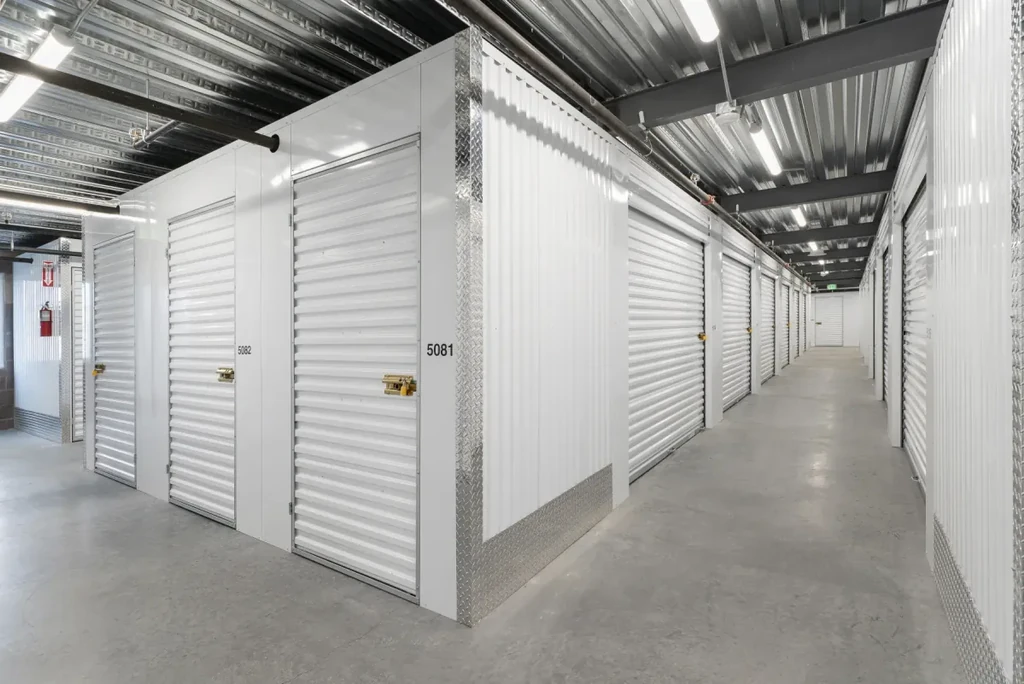
Facility settings also differ because climate controlled storage is designed to moderate indoor conditions rather than reproduce the exact environment of a home. Renters comparing storage units near me should ask what temperature range the building generally maintains. Clear information makes it easier to judge whether that range suits the belongings being stored.
High Temperatures Can Affect More Than Electronics
Prolonged heat may soften adhesives used in photographs, books, furniture, artwork, and manufactured products. Electronics can also experience faster battery degradation, weakened plastics, and stress on internal components when stored for long periods in hot conditions. Wax-based items, certain plastics, and some finishes may become misshapen if temperatures climb far enough.
Direct sunlight is not required for heat damage to develop. An enclosed space can become significantly warmer than the outdoor air, particularly during summer. Controlled indoor storage reduces those sharp peaks and gives heat-sensitive property a more consistent setting.
Cold Conditions Create Their Own Storage Problems
Low temperatures can make certain plastics, rubber components, and adhesives more brittle. Leather may stiffen, while some painted or finished surfaces can become more vulnerable to cracking if cold conditions are followed by rapid warming.
Sudden warming can create another concern because cold objects may collect condensation when exposed to warmer, humid air. Electronics, metal tools, glass, and photographic materials are especially worth watching during these transitions. Allowing sensitive property to adjust gradually before unpacking can reduce moisture forming on cold surfaces.
Why Temperature Swings Matter More Than a Single Reading
Repeated heating and cooling can be harder on belongings than a steady temperature that sits slightly above or below ideal conditions. Expansion during warmth followed by contraction during cooler periods places recurring stress on wood joints, veneers, frames, coatings, paper, and glued assemblies.
Seasonal cycles can magnify that movement over several months. Furniture doors may stop aligning, framed artwork can shift, and older books may develop warped covers. Stable conditions help reduce the constant dimensional changes that occur in ordinary storage units exposed to larger outdoor fluctuations.
Temperature and Humidity Work Together
Relative humidity changes as air temperature changes, which means temperature control can affect moisture behavior inside a building. Warm air can hold more water vapor than cold air, while cooling moist air may bring it closer to the point where condensation forms.
Moisture-sensitive belongings therefore need more than attention to the thermometer. Paper, photographs, textiles, leather, and wood can absorb water vapor from the surrounding air. Renters should ask whether a facility manages humidity as well as temperature if they plan to store property that reacts strongly to both.
Which Belongings Need Closer Temperature Control?
Electronics, musical instruments, artwork, photographs, important documents, wood furniture, leather goods, and certain collectibles often benefit from steadier conditions. These materials may contain several components that react differently to heat, cold, or rapid environmental changes.
Value should also influence the storage decision. A replaceable plastic chair may tolerate changing conditions better than family photographs, original artwork, or inherited furniture. People searching for storage units near me should consider replacement difficulty, material sensitivity, and storage length instead of judging the need for controlled conditions by price alone.
Storage Duration Changes How Much Temperature Matters
Short-term storage may expose belongings to only a narrow part of the seasonal cycle. Long-term rentals can carry property through summer heat, winter cold, and the changing conditions between them. Each additional season creates another round of expansion, contraction, humidity shifts, and possible condensation.
Packing methods still matter inside climate controlled storage. Clean, dry belongings should enter sturdy containers, while furniture and fabrics need breathable coverings that do not trap moisture. Boxes should remain off the floor where practical, and delicate items should stay away from vents or areas where airflow could create localized temperature differences.
Storage Partner has storage units for furniture, documents, electronics, artwork, household goods, and other property that may benefit from steadier indoor conditions. Customers can compare available sizes and climate controlled storage features, then choose a space based on the sensitivity of their belongings, expected storage period, and the temperature changes they want to limit.